

Synopsis
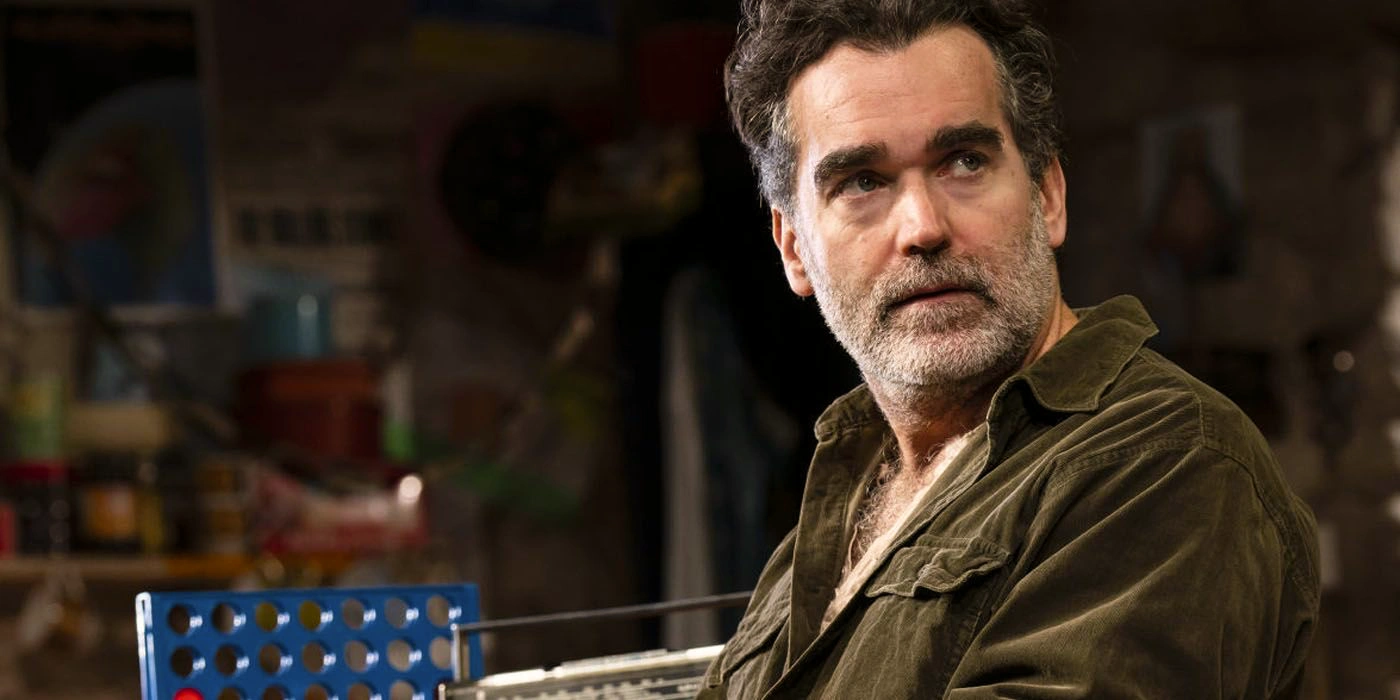
Set in rural Northern Ireland in 1981, The Ferryman unfolds in the farmhouse of the Carney family during the annual harvest season. As the household prepares for a day of celebration, news arrives that the body of Seamus Carney – missing for a decade – has finally been discovered. The revelation stirs old loyalties and buried tensions, intertwining the family’s private world with the wider conflict of the Troubles. Across one long day, laughter, love and festivity give way to suspicion and reckoning, as the past demands a devastating price.
Reviews
“A rich, explosive drama that combines the intensity of Greek tragedy with the warmth and humour of an Irish family gathering.”
Variety
“Sam Mendes’s staging of Jez Butterworth’s masterpiece feels both epic and intimate — a deeply human story set against a backdrop of violence and history.”
Vox
“A breathtaking feast of stories and characters — as exuberant as it is devastating.”
New York Theater
“Jez Butterworth’s play, now with Brian d’Arcy James and an accomplished American cast, is still not-to-be-missed.”
New York Stage Review
“[D’Arcy] James and the other new cast members bring the same level of emotional intensity to their roles as their predecessors, so those encountering Butterworth’s monumental drama for the first time can rest assured that they won’t be experiencing it in an inferior form (as long as you’re willing to overlook the occasional slip in Irish accents).” TheatreMania
Social Media
Playbill’s My Life in the Theatre
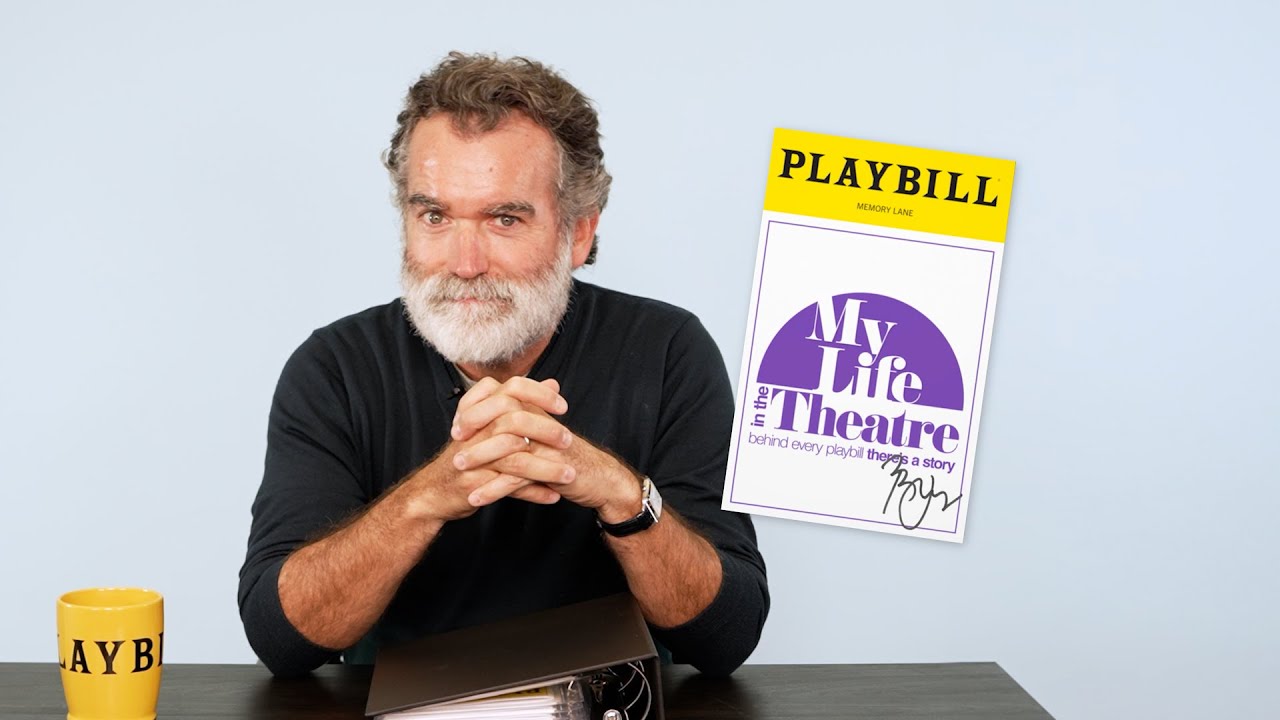
On 2 December 2025 Playbill released an interview with Brian on Youtube under their My Life in the Theatre playlist. Below is a transcript from the video about his time with The Ferryman – you can watch it here.
“The Ferryman. Jez Butterworth. Another extraordinary writer. I mean, one of the best plays, maybe the best play I’ve ever seen, let alone had the gift to be in. And I’m looking at this cast of people. Again, it’s the people.
What’s really interesting about The Ferryman, is that I kind of caught wind of it through my cousin who lived in London, a couple of people who saw it in London, said, hey, there’s this play here that you should see, and this part that maybe you could play someday, you know, in Cleveland, in a regional production or something.
And so I saw it in London. My family and I, Jennifer and Grace and I saw this show, and I was just blown away by it. I had seen Jerusalem by Jez Butterworth. This is a little tangent. But Mark Rylance’s performance in that play really changed my whole perspective. Jerusalem is not in this, but in my experience of being in the show, but that show changed what I thought about acting, and I thought the ceiling was here, and Rylance’s performance put the ceiling, like, the ceiling didn’t exist. I couldn’t believe what I was watching.
So then to be tasked with coming into a play that I revered, but what’s really interesting about this, I’ll get to my point someday, is that most of the cast that came in to replace the original cast were Americans, not all, but most, and it’s a large cast. And what I’m so proud of is the work that, you know, we all did to, I always liken it to that moment in Raiders of the Lost Ark when Harrison Ford has to take the bag of sand, remove the idol and put the sand in so that the big ball doesn’t come forward. Does anybody know what I’m talking about? Anyway, in this analogy, the big ball did not come forward because we were successful in kind of keeping the show alive, and I think beautifully.
Um, I’m just looking at Shuler Hensley. I’m looking at Fred, Fred Applegate and Terry Keeley, Holley Fain, Emily Bergl, Ethan Dubin. I mean, it was, it was a great, great experience, feeling like we had carried the ball properly. But also, it was a very demanding play emotionally to do, and it was, again, going back to the Next to Normal analogy of feeling like when a drama has asked you to kind of go to a place that is gonna be what the drama needs. It’s what actors yearn for, and I felt like that experience, for me, was, you know, so rewarding in that regard, because of the performances and the kinship that I had with my cast, who I love so dearly. My God.”