
Synopsis
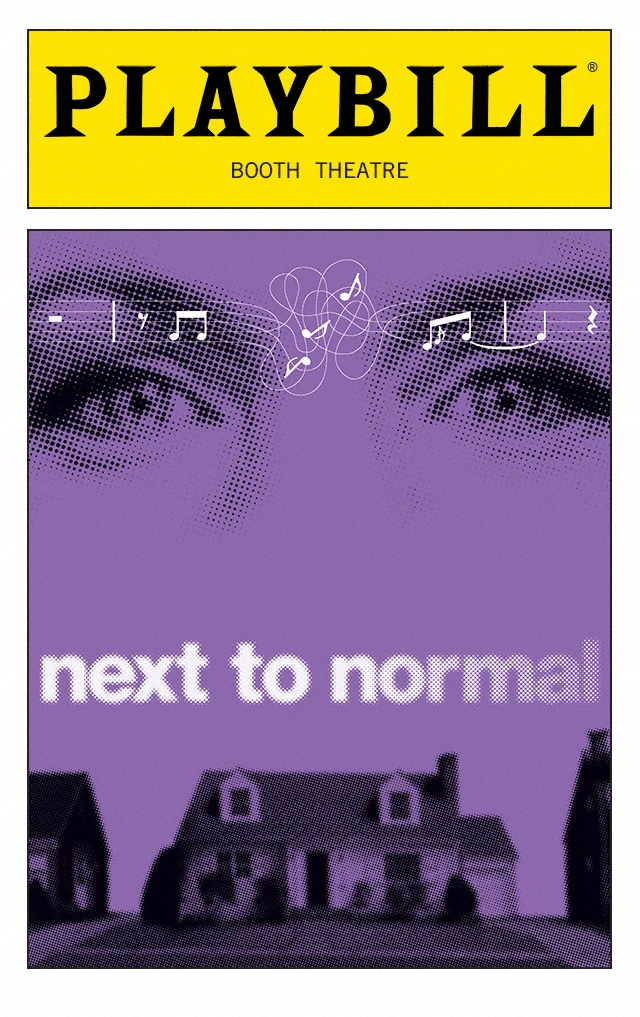
Next to Normal is a powerful contemporary rock musical that explores the impact of mental illness on a seemingly ordinary suburban family. Centred on Diana Goodman, a mother struggling with bipolar disorder, the story examines how her condition and its treatment affect her husband Dan and their teenage children. As the family strives to maintain balance amidst grief, memory, and medication, they confront the question of what it truly means to be “normal.” First presented Off-Broadway at Second Stage Theatre in 2008, the show introduced audiences to its raw emotional honesty, dark humour, and bold, modern score by Tom Kitt and Brian Yorkey.
Reviews (Off-Broadway production)
“When sincerity wins out, Next to Normal has a heartfelt tenderness that’s genuinely moving.”
Variety
“Still the most electrically charged and invigorating musical about clinical depression you can hope for… one of the most exciting and emotionally dazzling musical-theatre creations to hit New York in many a season.”
BroadwayWorld
“Flawed but emotionally resonant… tackles head-on the issue of depression, and the effects it has on an American family.”
TheaterMania
Playbill’s My Life in the Theatre
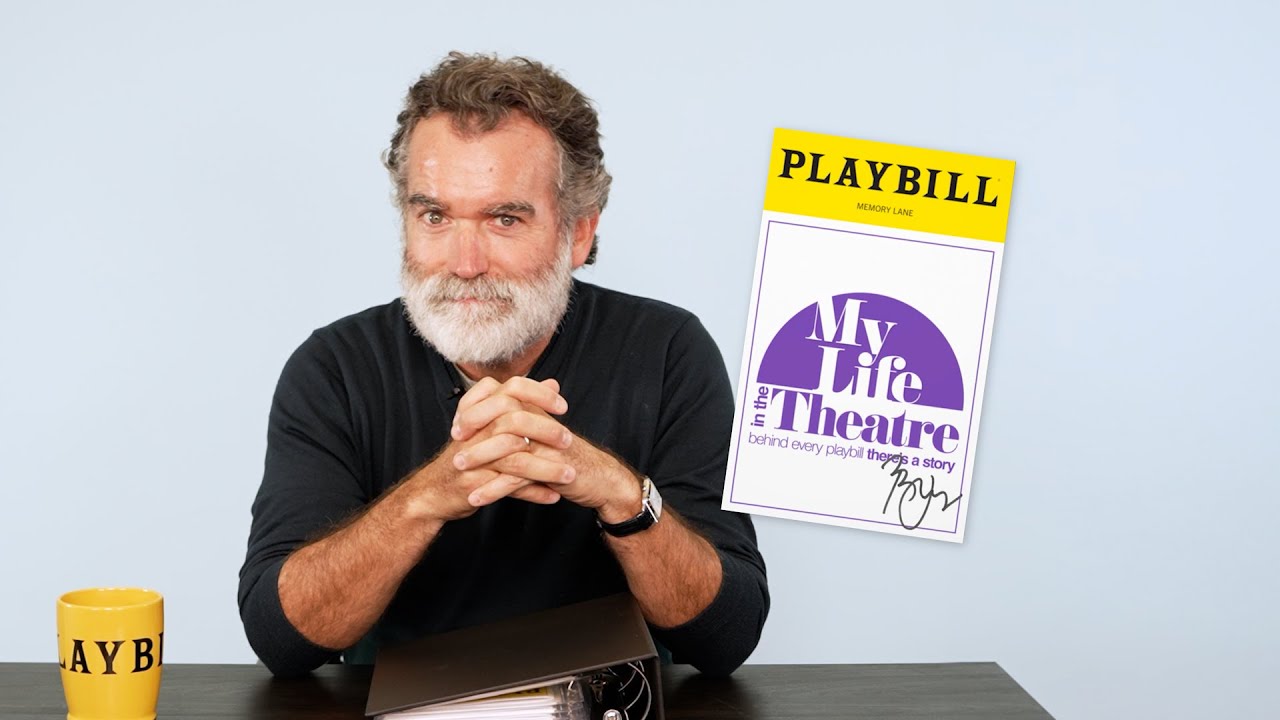
On 2 December 2025 Playbill released an interview with Brian on Youtube under their My Life in the Theatre playlist. Below is a transcript from the video about his time with Next to Normal – you can watch it here.
“Next to Normal, uh, an amazing, an amazing experience. Again, Tom Kitt, Brian Yorkey, Michael Greif directed it, Tom Kitt wrote the music, Brian Yorkey wrote the book and lyrics.
It’s rare that you get to sing your sensibility of the music that you love most on a Broadway stage. Blood Brothers had that to some extent, in a pop element, but this is undeniably a rock pop score.
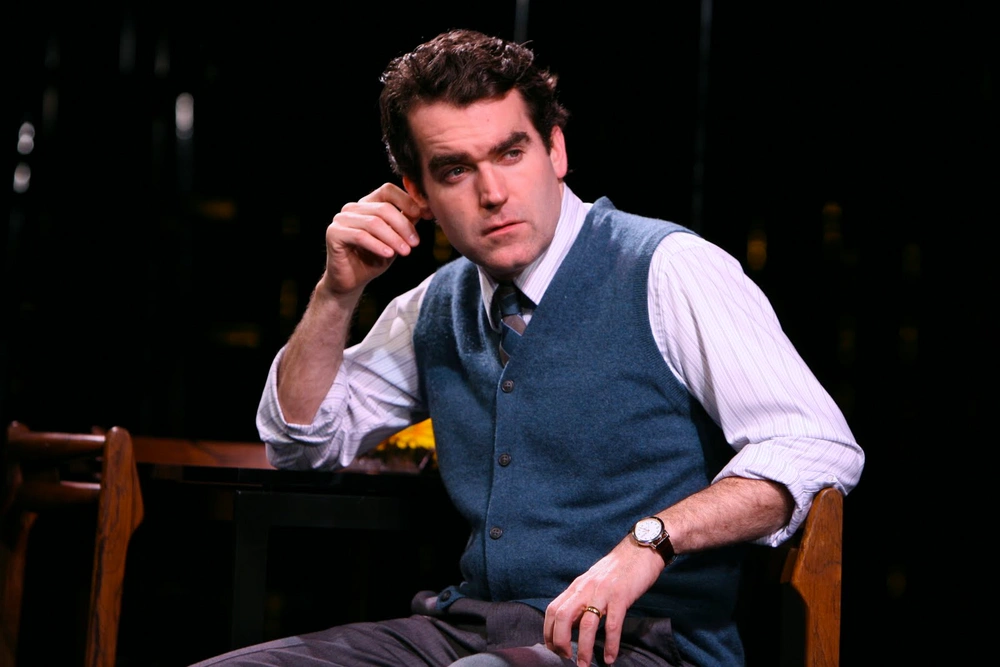
I loved every single moment of it, of the music of it, but also what this show requires in terms of what it’s asking of you emotionally and where it asks you to go. I can’t go any further without saying, you know, if I’m talking about what it required me to do, Alice Ripley had to take this incredible journey of an experience. She won the Tony for, I believe, yeah? She did. Uh, rightly so. I mean, that was, she gave everything to this part, and she was just beautiful, heartbreakingly beautiful. And I think my favourite moment was singing, You Don’t Know with her, that confrontation of the first act where, you know, Dan is trying to be a good husband, trying to understand, trying to do the right thing. And she, and he, are, are just not making any, any inroads to understanding each other. And the anger and the frustration that’s reflected in the music, and her portrayal, her ferocity.
There are moments where you kind of are on stage, and you hope to have those experiences where everything is being pulled out of you, and hopefully demonstrated in a way that is interesting and compelling and dramatic. But those experiences where you feel like you’re being asked to do something and it’s scary and you know the material is going to take you there without a doubt. Those are the experiences I think that you yearn for, and you hope for. And that was, that was it.
Of course, the last thing I’ll say is Jen Damiano as my daughter. And that last moment of having to kind of, it makes me emotionally just even thinking about it now, she would do this thing where Alice’s character has left, and there’s really nothing else we can do but hope that she can have a successful life. And, you know, Dan is depleted with everything that he’s tried to do, and his confusion, and his anguish, and he’s just left there, and Jen Damiano, just would every night break my heart with the simplest of gestures. It was a combination of what she did, was a combination of what was written, but just her putting her hand on my shoulder and saying, it’s going to be okay, where the daughter now was taking care of the father, was just extraordinary writing, extraordinary performance by Jen, and kind of a bond that I think I’ll always treasure because of that. It’s funny how those moments in your life on stage can kind of be crystalised in the moments that you carry forward that are super meaningful for the actor. I’ll speak to myself, for me, and that’s one of them.”